SIRANG LENTE

Thursday, 11 March 2021

Mt. Tarak, Bataan

Mt. Tarak

Jump to: | About | How to Get There | Trail Information | Travel Tips | Where to Stay

About Mt. Tarak

Mt. Tarak — also known as Tarak Ridge—is one of the most iconic mountains in Bataan, offering a mix of forest trails, rocky ascents, stunning ridge views, and the refreshing Papaya River. With an elevation of around 1,130 MASL, this mountain attracts both seasoned hikers and adventurous beginners looking for a thrilling yet rewarding climb. Tarak Ridge is famous for its panoramic views of Manila Bay, Corregidor Island, and the surrounding peaks of the Mariveles Mountain Range.

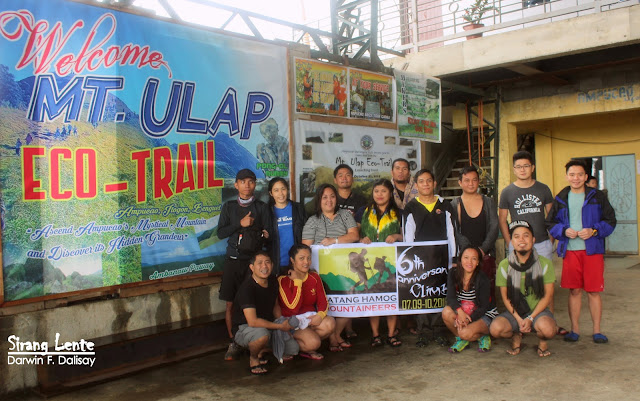
Mt. Ulap, Benguet

Mt. Ulap

Jump to: About Mt. Ulap | How to Get There | Hike Highlights & Difficulty | Suggested Itinerary | Sample Budget | Where to Stay | Travel Tips | Final Thoughts

About Mt. Ulap

Mt. Ulap, located in Itogon, Benguet, is one of the most popular day hikes in Northern Luzon. Its name literally means “mountain of clouds,” and for good reason—its scenic trail passes through pine forests, ridges, and viewpoints often surrounded by a sea of clouds. The summit reaches about 1,846 meters above sea level and offers breathtaking views of Benguet's highlands and Cordillera peaks.

Mt. Banahaw

Mt. Banahaw

Jump to: About Mt. Banahaw | How to Get There | What to Expect | Suggested Itinerary | Travel Budget | Where to Stay | Travel Tips

About Mt. Banahaw

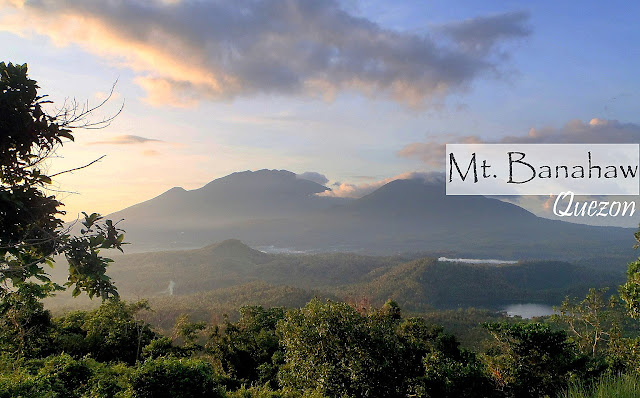
Mt. Banahaw is a mystical and sacred mountain that straddles the provinces of Quezon and Laguna. At 2,170 meters above sea level, it is the highest in the CALABARZON region. Banahaw is known not only for its challenging trails and lush forests but also for its spiritual significance—considered holy by Rizalistas and other religious sects. It’s a protected area, rich in biodiversity, caves, and natural springs believed to have healing powers.

Mt. Apo

Mt. Apo

Jump to: About Mt. Apo | How to Get There | Climbing Trails | Sample Itinerary | Budget and Expenses | Where to Stay | Travel Tips

About Mt. Apo

Mt. Apo is the highest mountain in the Philippines, standing at 2,954 meters above sea level. Located between Davao del Sur and North Cotabato, it is a dream climb for many local and international hikers. Its diverse ecosystem includes mossy forests, sulfur vents, boulder sections, and panoramic views at the summit.

Mt. Hamiguitan

Mt. Hamiguitan

Jump to: About Mt. Hamiguitan | How to Get There | What to Expect | Suggested Itinerary | Travel Budget | Where to Stay | Travel Tips

About Mt. Hamiguitan

Mt. Hamiguitan Range Wildlife Sanctuary is a UNESCO World Heritage Site located in Davao Oriental. Rising at 1,620 MASL, it is globally renowned for its bonsai pygmy forest, diverse flora and fauna, and conservation efforts. This mountain is home to several endangered species like the Philippine eagle and pitcher plants, and is a sanctuary for science, spirituality, and eco-adventure seekers alike. It is one of the most protected and restricted climbs in Mindanao.

Wednesday, 10 March 2021

Mt. Halcon, Mindoro

Mt. Halcon

Jump to: About Mt. Halcon | How to Get There | Trail Information | Itinerary | Budget and Expenses | Where to Stay | Travel Tips

About Mt. Halcon

Mt. Halcon, towering at 2,582 meters above sea level, is one of the most challenging and revered climbs in the Philippines. Located in Oriental Mindoro, it is known for its steep trails, mossy forests, river crossings, and rich biodiversity. The mountain is sacred to the indigenous Mangyan community and is often closed to trekkers for preservation and rehabilitation.

Friday, 5 March 2021

Pulong Pasig Sandbar, Quezon

Pulong Pasig Sandbar

Jump to: | About | How to Get There | What to Expect | Where to Stay

About Pulong Pasig Sandbar

Pulong Pasig Sandbar is one of the newest natural attractions in Quezon Province—a stunning stretch of white sand surrounded by turquoise waters and peaceful coastal views. Located in the quiet town of Calauag, this emerging destination offers a serene island escape far from crowded beaches. Whether you're a beach lover, photographer, or weekend traveler looking for a new spot to explore, Pulong Pasig Sandbar is an underrated paradise worth the journey.

Tuesday, 23 February 2021

Caramoan, Camarines Sur

Caramoan Island

Jump to: | About Caramoan | How to Get There | Island Hopping | Where to Stay

About Caramoan Island

Caramoan is one of the Philippines’ last remaining unspoiled destinations—a hidden paradise known for its dramatic limestone cliffs, secluded white-sand beaches, and world-class island-hopping adventures. Famous as a filming location for several seasons of Survivor, Caramoan remains raw, serene, and breathtakingly beautiful, perfect for those seeking a quiet yet unforgettable tropical getaway.

Sunday, 21 February 2021

Burias Island, Masbate

Burias Island, Masbate

About Burias Island

Burias Island in Masbate is a breathtaking destination known for its raw beauty, pristine beaches, and stunning rock formations. With its crystal-clear waters, powdery white sand, and picturesque islands such as Sombrero, Animasola, and Tinalisayan, Burias offers the perfect blend of adventure and relaxation. It’s a hidden paradise where visitors can swim, snorkel, island-hop, or simply bask in the unspoiled charm of nature.

Friday, 19 February 2021

Enchanted Cave, Bolinao

Enchanted Cave, Bolinao

Jump to: | About | How to Get There | What to See | Where to Stay

About Enchanted Cave, Bolinao

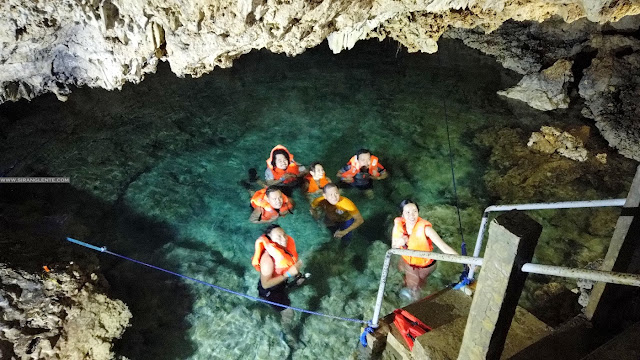
Enchanted Cave is one of Bolinao’s most captivating natural wonders—a coral limestone cave with a crystal-clear underground pool perfect for cooling off after exploring Pangasinan’s sun-drenched destinations. Surrounded by lush gardens and resort-like amenities, this charming cave is a must-visit stop on your Bolinao itinerary.

Patar Beach, Pangasinan

Patar Beach

Jump to: About Patar Beach | How to Get There | What to Expect | Suggested Itinerary | Travel Budget | Where to Stay | Travel Tips

About Patar Beach

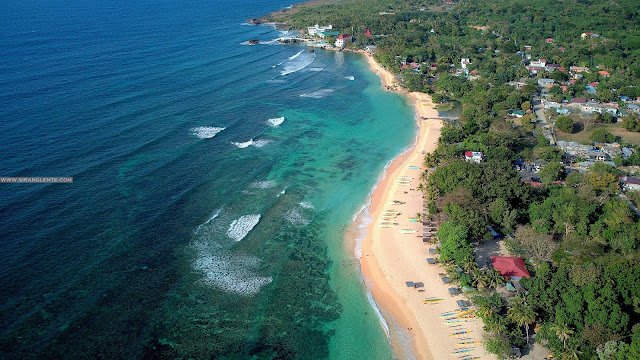
Patar Beach is the crown jewel of Bolinao, Pangasinan. Known for its golden-white sand, crystal-clear waters, and breathtaking sunsets, this public beach offers an unspoiled escape from the usual crowded resorts. Backed by dramatic limestone cliffs and coconut-lined shores, it's perfect for backpackers, barkadas, and families seeking affordable paradise by the sea.

Bolinao Falls 3

Bolinao Falls 3

Jump to: | About | How to Get There | What to Expect | Where to Stay

About Bolinao Falls 3

Bolinao Falls 3 is the most serene and spacious among the three major waterfalls in Bolinao, Pangasinan. Unlike Falls 1 and 2—which are popular for cliff diving and dramatic drops—Bolinao Falls 3 is known for its wide natural pool, gentle cascades, and calm waters perfect for families, beginners, and those who simply want a quiet place to swim and relax.

Bolinao Falls 1

Bolinao Falls 1

Jump to: | About | How to Get There | What to Expect |

About Bolinao Falls 1

Bolinao Falls 1 is one of the most popular waterfalls in Pangasinan, known for its powerful yet graceful cascade that drops into a large turquoise basin. Located in Barangay Samang Norte, this natural attraction is surrounded by lush forests, rough rock formations, and refreshing cold waters ideal for swimming and cliff jumping. It’s often paired with Bolinao Falls 2 and 3 in a single trip, making it a must-visit for nature lovers and weekend adventurers.

Wednesday, 17 February 2021

Pangasinan – Tourist Spots, Travel Guide, Itinerary, & Hotels

Pangasinan Tourist Spots

About

Pangasinan is a coastal province in Northern Luzon known for its rich culture, historical towns, beautiful beaches, waterfalls, and the iconic Hundred Islands National Park. It's a popular destination for island hopping, food trips, and cultural exploration, just a few hours from Metro Manila.

Sunday, 14 February 2021

Quezon Memorial Circle and Shrine

Quezon Memorial Circle and Shrine

Jump to: | About | History | Things to Do | What to See | Travel Tips | Related Posts

About Quezon Memorial Circle

Located at the heart of Quezon City, the Quezon Memorial Circle (QMC) is a historic urban park and national shrine dedicated to President Manuel L. Quezon. Spread across a spacious circular park, it serves as a favorite weekend destination for families, joggers, cyclers, and tourists exploring Metro Manila.

Mt. Pulag, Benguet

Mt. Pulag

Jump to: About Mt. Pulag | How to Get There | Climbing Trails | Sample Itinerary | Budget and Expenses | Where to Stay | Travel Tips

About Mt. Pulag

Mt. Pulag, standing at 2,926 MASL, is the third-highest mountain in the Philippines and the highest in Luzon. Famous for its sea of clouds, sunrise views, and dwarf bamboo grasslands, it's a bucket-list destination for hikers and nature lovers.

Thursday, 11 February 2021

Paragliding in Carmona, Cavite

Paragliding in Cavite

Jump to: Overview of Paragliding in Cavite | Location and Launch Site | How to Book a Flight | What to Expect During the Flight | Tips for First-Timers | Nearby Attractions

Overview of Paragliding in Cavite

Paragliding in Cavite is one of the most thrilling outdoor activities near Manila. With scenic mountain views, open skies, and experienced pilots, this sport is perfect for adventure seekers looking to take flight without leaving Luzon. Because of the pandemic, this extreme sport created its own spark for local tourists. Before, according to Philippine Tandem Paragliding, they are flying with an average of 10% local tourists per day, while the rest are foreign tourists. Today, the majority are local, possible reasons? COVID-19 protocols, Filipinos are staying at home and want something new, and the effect of "Crash Landing on You." Nevertheless, if you want something heart-pounding and extreme, this activity is highly recommended.

Sunday, 24 January 2021

Potipot Island, Zambales

Potipot Island

Jump to: About Potipot Island | How to Get There | What to Do | Where to Stay | Travel Tips | Sample Itinerary | Estimated Budget

About Potipot Island

Potipot Island is a small, uninhabited island off the coast of Candelaria, Zambales. Known for its powdery white sand, crystal-clear waters, and peaceful atmosphere, it’s a perfect weekend escape for those looking to relax away from the crowds. Before the coves of San Antonio were discovered, this island was first hailed as one of the finest gems of the province because of its beauty. Also, since it is separated from the mainland and is in a remote area, few visitors can visit.

Bacolor Church

Bacolor Church

Jump to: About Bacolor Church | Historical Significance | How to Get There | What to See | Travel Tips | Nearby Attractions

About Bacolor Church

San Guillermo Parish Church, commonly known as Bacolor Church, is a centuries-old church in Bacolor, Pampanga. Despite being buried by lahar during Mt. Pinatubo’s eruption in the 1990s, it remains a powerful symbol of faith and Filipino resilience. Having said that, it is considered the Cagsawa of the North.

Borawan Island, Quezon

Borawan Island

Jump to: About Borawan Island | How to Get There | What to Do on Borawan | Where to Stay | Travel Tips | Sample Itinerary | Estimated Budget

About Borawan Island

Borawan Island is a hidden gem in Padre Burgos, Quezon. The name comes from “Boracay” and “Palawan” — suggesting that it has the powdery white sand of Boracay and the rock formations of Palawan. It’s a great weekend escape for nature lovers and budget travelers. It is a small islet with a stretch of fine white sand shoreline, surrounded by crystal clear waters, and a cool and relaxing ambience. A few years ago, this island became phenomenal in the province because of its beauty.

Callao Cave, Cagayan

Callao Cave

Jump to: About Callao Cave | Cave Features | How to Get There | What to Do | Travel Tips | Nearby Attractions

About Callao Cave

Callao Cave is one of the most famous limestone caves in the Philippines, located in Peñablanca, Cagayan Valley. Known for its seven-chamber cave where scientists and experts discovered 67,000-year-old fossilized remains of a Callao man in 2007, which is a thousand years older than the Tabon Man in Palawan. Callao Cave is definitely the top tourist attraction in Peñablanca, Cagayan. This cave is situated on the Northern foothills of the Sierra Madre Mountains. By the way, Peñablanca, the name of the municipality, is a Spanish word that means white rocks because of the limestone present in the area.

Aguinaldo Shrine and Museum, Cavite

Aguinaldo Shrine and Museum, Cavite

Jump to: About Aguinaldo Shrine | History | What to See | Opening Hours | How to Get There | Travel Tips | Nearby Attractions

🏛️ About the Aguinaldo Shrine

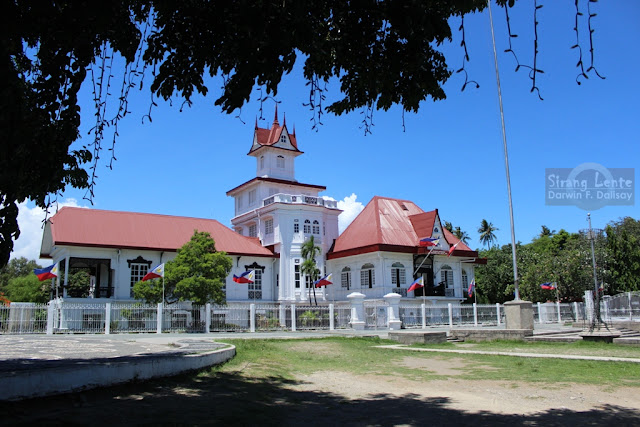
The Aguinaldo Shrine and Museum in Kawit, Cavite is the preserved ancestral home of General Emilio Aguinaldo, where the Philippine Declaration of Independence was proclaimed on June 12, 1898. The mansion—surrounded by a park and museum galleries—houses original furniture, memorabilia, and displays chronicling the Philippine Revolution. It’s a must-visit for history buffs and those who want to feel the heartbeat of the nation’s founding moment.

Saturday, 23 January 2021

Cebu Metropolitan Cathedral

Cebu Metropolitan Cathedral

About Cebu Metropolitan Cathedral

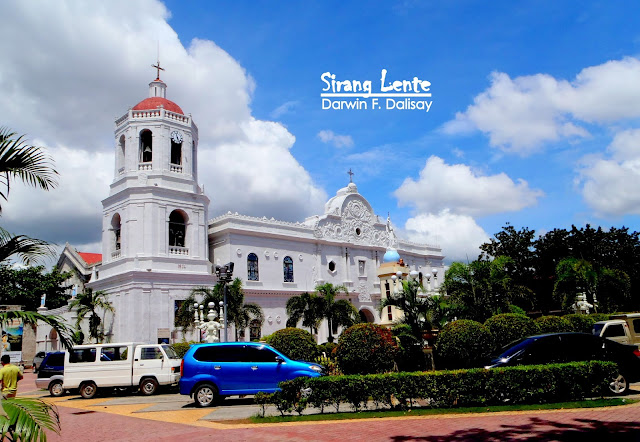
The Cebu Metropolitan Cathedral, officially known as the Metropolitan Cathedral of the Holy Angels and of St. Vitales, is one of the oldest and most important churches in Cebu. Located near the Basilica Minore del Santo Niño, it serves as the ecclesiastical seat of the Archdiocese of Cebu.

Heritage of Cebu Monument

Heritage of Cebu Monument

Jump to: About the Monument | Historical Background | How to Get There | What to See | Travel Tips | Nearby Attractions

About the Heritage of Cebu Monument

The Heritage of Cebu Monument is a massive sculpture located in the historic Parian district of Cebu City. It showcases key events and figures from Cebu’s history in one stunning visual masterpiece, making it a must-visit landmark for culture and history lovers.

Magellan’s Cross, Cebu

Magellan’s Cross, Cebu

About Magellan’s Cross

Magellan’s Cross is a historical landmark and the most visited tourist spot in Cebu City. It is a Christian Cross made of wood erected by Ferdinand Magellan (a Portuguese explorer) during his exploration in Cebu, Philippines, on April 21, 1521. This Cross can be found inside an octagonal chapel in front of Cebu City Hall and beside Basilica Minore del Santo Niño. This is one of the most prominent tourist spots in Cebu. But, the current Cross is a tindalo wood where the splinters of the original Cross were encased. The wood of the original Cross deteriorated because the people were chipping off some parts and making it into a souvenir in the belief that it was miraculous.

Basilica Minore del Santo Niño, Cebu

Basilica Minore del Santo Niño, Cebu

About the Basilica Minore del Santo Niño

The Basilica Minore del Santo Niño is the oldest Roman Catholic church in the Philippines, located in Cebu City. It is one of the oldest Roman Catholic churches in the country. Its current structure is situated on the exact spot where the image of Santo Niño was found in 1565 by the Spanish explorers led by Miguel Lopez de Legazpi. The statue is the same as the statue given by Ferdinand Magellan to the wife of Rajah Humabon 44 years later as a gift during their baptism on April 14, 1521, at the exact location of Magellan's Cross today.

Tinalisayan Island

Tinalisayan Island

Jump to: About the Island | How to Get There | Things to Do | Travel Tips | Nearby Attractions

About Tinalisayan Island

Tinalisayan Island was our second destination from Alibijaban Island to the Burias Islands. Traveling from Animasola Island to this island takes an hour, but this is irrevocably number one among the three islands we visited. When I jumped off the boat and landed in the shallow, crystal clear water, I easily felt a relaxing feeling because the water was really cool, contrary to the heat and UV rays from the sun. Our boat was parked by the tip of the sandbar, so walking on the long stretch of fine and powdery white sand, with the other visitors in their colorful swimming attire, was just awesome! This long sandbar always greets visitors with breathtaking beauty.

Zamboanga City Travel Guide – Tourist Spots, Itinerary, Hotels

Zamboanga City

Jump to: Overview | How to Get There | Things to Do | Food to Try | Travel Tips | My Solo Backpacking | Cheap Hotels

Overview of Zamboanga City

"The Latin City of Asia" was given to Zamboanga City because of its language, called "chavacano," similar to Spanish. The city is situated on the Southern side of the Zamboanga Peninsula and the Northern side of Basilan. Aside from their language, the city is also prominent with its "vinta," a colorful and stunning sailboat or watercraft that is usually used by the locals. Using Google Maps, had a walking tour of their top tourist spots and destinations.

The Ruins, Bacolod

The Ruins, Bacolod

About The Ruins

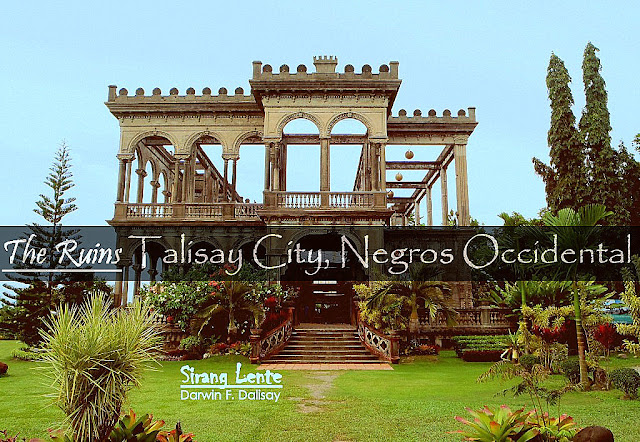
The Ruins is located in Talisay City, and it was the largest residential mansion built then. This mansion belongs to sugar baron Don Mariano “Anoy” Ledesma Lacson (1865-1948). Built after the death of his wife Maria Braga (1911), and served as the residence of their unmarried children. But, in the early part of World War II, USAFEE and then guerrilla fighters built this mansion to prevent the Japanese forces from making this structure their headquarters. It was burning for three days, leaving no traces of its glorious past, but still, the effort of the workers paid off because its gorgeous ruins are still standing and part of our today.

Mt. Mantalingahan

Mt. Mantalingahan

Jump to: | About Mt. Mantalingahan | How to Get There | Trail Info | What to Expect | Itinerary | Travel Tips | Where to Stay | Related Posts

🌄 About Mt. Mantalingahan

Mt. Mantalingahan, also called Mount Mantalingahan Protected Landscape (MMPL), is the highest mountain in Palawan standing at 2,085 meters above sea level. Located in the southern municipality of Rizal, this mountain is one of the most challenging and rewarding climbs in the Philippines.

Molo Church

Molo Church

Jump to: | About Molo Church | History and Significance | Architecture and Design | How to Get There | What to Expect | Travel Tips | Where to Stay | Nearby Attractions | Summary

⛪ About Molo Church

Molo Church, officially known as the St. Anne Parish Church, is one of the most iconic landmarks in Iloilo City. Famous for its Gothic-inspired architecture and statues of female saints, it has earned the nickname the “Feminist Church” — the only church in the Philippines featuring all-women saints on its aisles.

Jaro Cathedral

Jaro Cathedral

Jump to: | About Jaro Cathedral | History and Significance | How to Get There | Architecture and Design | What to Expect | Travel Tips | Where to Stay | Nearby Attractions | Summary

⛪ About Jaro Cathedral

The Jaro Metropolitan Cathedral, officially known as the National Shrine of Our Lady of the Candles, is one of the most iconic religious landmarks in the Visayas. Located in Jaro District, Iloilo City, this grand cathedral is a major pilgrimage site dedicated to the Our Lady of the Candles, the patroness of Western Visayas.

Sulu Museum

Sulu Museum

Jump to: | About Sulu Museum | History and Cultural Significance | How to Get There | What to See Inside | Travel Tips | Where to Stay | Nearby Attractions | Summary

🏛️ About Sulu Museum

The Sulu Museum in Jolo, Sulu stands as a cultural beacon of the Tausug people and the rich history of the Sultanate of Sulu. This museum serves as a guardian of heritage, displaying ancient artifacts, royal relics, and traditional crafts that narrate the story of Sulu’s proud past and resilient culture.

Bangui Windmills

Bangui Windmills
Table of Contents:

About

The Bangui Windmills is a place that converts wind energy into electrical energy, yet it is one of the top tourist attractions in Ilocos Norte. This wind farm has 20 units of 70-meter-high wind turbines, stretching along the 99-kilometer shoreline of Bangui Bay and facing the West Philippine Sea, and each of the turbines is 326 meters apart. Read my Ilocos Norte Travel Guide to know how to get here and a list of the nearby tourist spots.

Kapurpurawan Rock Formation

Kapurpurawan Rock Formation

Jump to: | About Kapurpurawan Rock Formation | History and Name Origin | How to Get There | What to Expect | Travel Tips | Where to Stay | Nearby Attractions | Summary

🌊 About Kapurpurawan Rock Formation

Perched along the rugged coastline of Burgos, Ilocos Norte, the Kapurpurawan Rock Formation is one of the most iconic natural wonders of northern Luzon. Its name comes from the Ilocano word “puraw”, which means white — perfectly describing the dazzling color of its smooth, creamy limestone sculpted by wind and sea over centuries.

Friday, 22 January 2021

Guimbal Church

Guimbal Church

Jump to: | About Guimbal Church | History | Architecture | How to Get There | Mass Schedule | Travel Tips | Nearby Attractions | Where to Stay | Closing Thoughts

⛪ About Guimbal Church

The Guimbal Church, officially known as the Parish of St. Nicholas of Tolentino, is one of the most stunning and historically significant churches in the province of Iloilo. Built in the 18th century, this centuries-old structure is renowned for its distinct yellow coral-stone façade and remarkable Spanish colonial architecture.

Paco Park, Manila

Paco Park, Manila

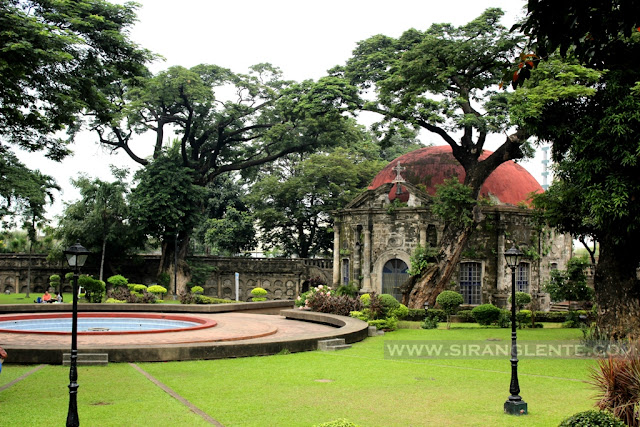
About Paco Park

The Paco Park, originally known as the Cementerio General de Dilao, is a recreational garden area and served as Manila's municipal cemetery during the Spanish colonial period. This structure was built in the 18th century and was completed in 1822. Its original design was to be a municipal cemetery for the influential and aristocratic Spanish families living in Manila and Intramuros, but it also served as a peaceful dwelling place for those victims of the cholera epidemic.

A Quick Visit to Fort Santiago

Fort Santiago

About Fort Santiago

Standing proudly within Intramuros, the old walled city of Manila, Fort Santiago is a powerful reminder of the Philippines’ colonial history and the resilience of its people. Built in the late 1500s by Spanish conquistador Miguel López de Legazpi, this fortress once served as a defense stronghold, a military prison, and a silent witness to centuries of struggle and triumph. As you step through its iconic gate and walk along its stone paths, you’ll find yourself transported to an era where courage, faith, and patriotism shaped the nation’s soul.

San Sebastian Church, Manila

San Sebastian Church

Jump to: | About San Sebastian Church | History | Architecture | How to Get There | Mass Schedule | Travel Tips | Nearby Attractions | Where to Stay | Summary

⛪ About San Sebastian Church

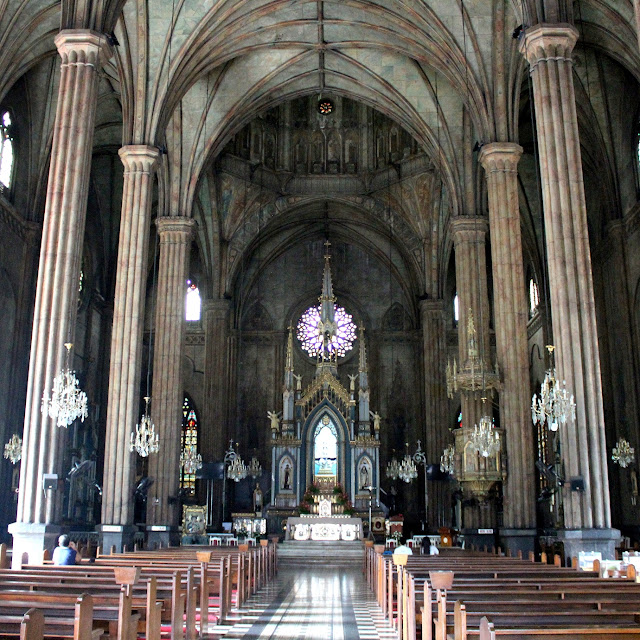
San Sebastian Church, also known as the Basilica Minore de San Sebastian, stands majestically in Quiapo, Manila. This Roman Catholic Basilica is the only all-steel church in Asia and one of the few in the world, making it a true architectural gem and a symbol of Filipino craftsmanship and resilience.

Manila Cathedral

Manila Cathedral

Jump to: | About Manila Cathedral | History | Architecture | How to Get There | Mass Schedule | Travel Tips | Nearby Attractions | Where to Stay | Related Posts

⛪ About Manila Cathedral

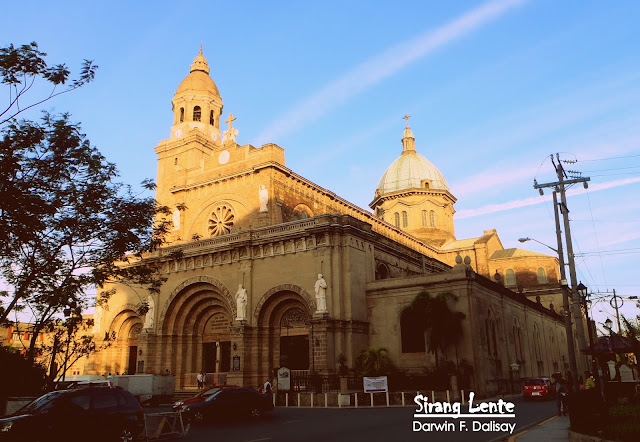
Located at the heart of Intramuros, Manila, the Manila Cathedral — officially known as the Minor Basilica and Metropolitan Cathedral of the Immaculate Conception — stands as one of the most important religious and historical landmarks in the Philippines. Serving as the premier church of the Archdiocese of Manila, it has long been a place of worship, reflection, and national pride.

San Agustin Church, Manila

San Agustin Church, Manila

About San Agustin Church

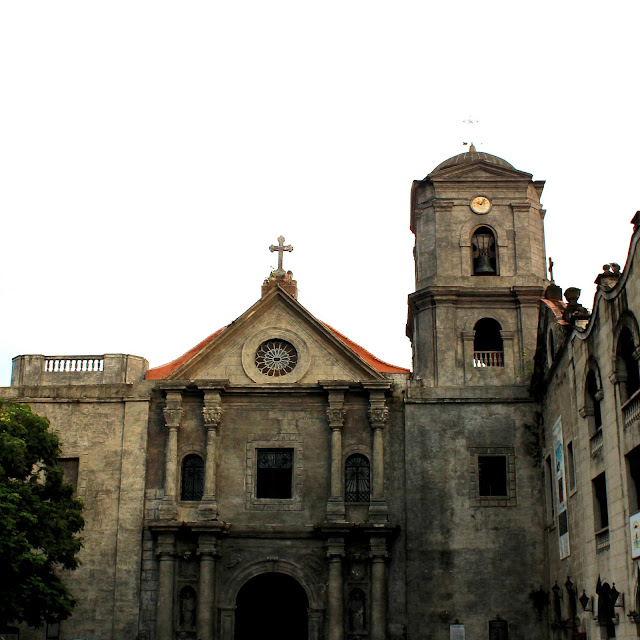
San Agustin Church in Intramuros, Manila, is the oldest stone church in the Philippines and a UNESCO World Heritage Site that showcases remarkable Baroque architecture. Built in 1607, it has withstood wars, earthquakes, and the test of time, making it a living testament to the country’s colonial past and deep Catholic faith. Its intricate facade, grand interiors, and historical significance continue to draw pilgrims, tourists, and history enthusiasts from around the world.

Burgos Lighthouse, Ilocos Norte

Burgos Lighthouse, Ilocos

Jump to: | About Burgos Lighthouse | History | How to Get There | What to Expect | Travel Tips | Where to Stay | Related Posts

🏛️ About Burgos Lighthouse

Standing proudly on a hill in Burgos, Ilocos Norte, the Burgos Lighthouse, also known as the Cape Bojeador Lighthouse, is one of the most iconic heritage landmarks in Northern Luzon. Overlooking the vast West Philippine Sea, it has been guiding ships along the rocky Ilocos coast since the late 1800s. Today, it remains a must-visit destination for travelers who love history, architecture, and breathtaking sea views.

Sto. Niño Cold Spring, Camiguin

Sto. Niño Cold Spring, Camiguin

Jump to: | About Sto. Niño Cold Spring | How to Get There | What to Expect | Travel Tips | Where to Stay | Related Posts

💧 About Sto. Niño Cold Spring

Nestled in the lush town of Sagay, Camiguin, the Sto. Niño Cold Spring is one of the island’s most relaxing natural attractions. It’s a wide, spring-fed pool surrounded by trees and mountains, filled with icy-cold, crystal-clear water flowing straight from Mt. Hibok-Hibok. After exploring Camiguin’s beaches, waterfalls, and hot springs, a dip here is the perfect way to cool down and recharge.
Bura Soda Water Pool, Camiguin

Bura Soda Water Pool

Jump to: | About Bura Soda Water Pool | History | How to Get There | What to Expect | Travel Tips | Where to Stay | Related Posts

💧 About Bura Soda Water Pool

Camiguin Island is full of natural wonders, and among its most unique attractions is the Bura Soda Water Pool in the town of Catarman. This isn’t your ordinary swimming pool—it’s a natural spring bubbling with carbonated water, the only one of its kind in the Philippines! Locals claim that the water has healing properties and can refresh your body like a natural spa experience.

Guiob Church Ruins, Camiguin Travel Guide

Guiob Church Ruins

Jump to: | About Guiob Church Ruins | History | How to Get There | What to Expect | Travel Tips | Where to Stay | Related Posts

🏛️ About Guiob Church Ruins

Located in Bonbon, Catarman, Camiguin, the Guiob Church Ruins stand as a solemn reminder of the island’s tragic yet fascinating past. These ancient remains, made of coral stones and adobe, are what’s left of a once magnificent church destroyed by the eruption of Mount Vulcan in the 1870s. Despite the devastation, the ruins continue to captivate visitors with their rustic beauty and historical depth.
Calle Crisologo, Vigan's Historical Street

Calle Crisologo

Jump to: | About Calle Crisologo | History | What to Expect | How to Get There | Sample Itinerary | Travel Tips | Related Posts

🏛️ About Calle Crisologo

Located in the heart of Vigan City, Ilocos Sur, Calle Crisologo is one of the most iconic heritage streets in the Philippines. Recognized as a UNESCO World Heritage Site, it features a well-preserved stretch of Spanish colonial architecture, cobblestone streets, and ancestral houses that reflect the country’s rich cultural history. This short but picturesque street is the soul of Vigan — a living museum that continues to charm travelers with its old-world atmosphere, horse-drawn kalesas, and nostalgic glow at night.

Ardent Hot Spring, Camiguin

Ardent Hot Spring, Camiguin

About Ardent Hot Spring

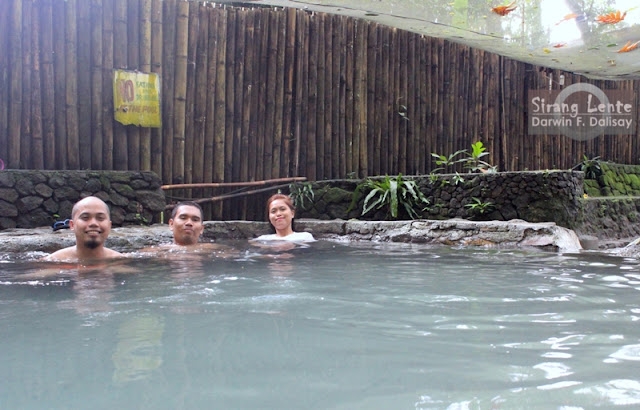
Ardent Hot Spring in Camiguin is one of the island’s most popular attractions, known for its natural warm pools heated by Mt. Hibok-Hibok. With water temperatures averaging around 40°C, it’s a relaxing haven where visitors can unwind after a day of exploring the island’s volcanoes, waterfalls, and beaches.

Thursday, 21 January 2021

Colon Street, Cebu

Colon Street, Cebu

Jump to: About Colon Street | Historical Significance | Nearby Attractions | Suggested Itinerary | Travel Budget | Where to Stay | Travel Tips

About Colon Street

Colon Street, located in downtown Cebu City, is recognized as the oldest street in the Philippines. It was established during the Spanish colonial period and remains a bustling commercial center filled with local vendors, old movie houses, and historical landmarks.

Malamawi Beach, Basilan

Malamawi Beach, Basilan

About Malamawi

Malamawi Island in Basilan is a hidden tropical paradise known for its long stretch of powdery white sand beach and crystal-clear waters. Just a short boat ride from Isabela City, the island offers a serene escape where visitors can swim, snorkel, and bask in the unspoiled beauty of nature. Its calm and laid-back atmosphere makes it one of the most underrated island getaways in Mindanao.

A Day Tour In La Union

La Union tourist spots

About La Union

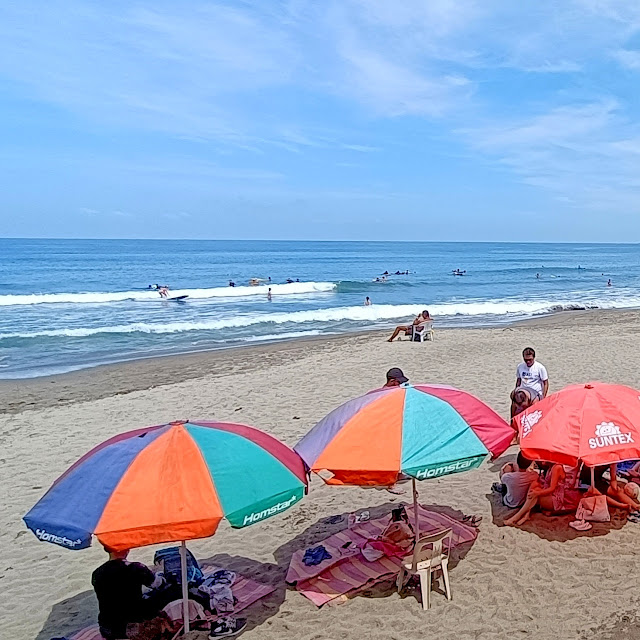
La Union, fondly called Elyu by travelers, is more than just a surfer’s paradise — it’s a destination packed with charm, culture, and coastal adventures. Even with just one day to spare, you can experience its laid-back vibe, catch the waves at San Juan Beach, indulge in local cafés and art spaces, and chase hidden gems like Tangadan Falls in San Gabriel. Whether you’re seeking a quick escape from city life or a refreshing solo journey, a day tour in La Union offers just the right mix of thrill and relaxation along the scenic shores of the north.